・EXHIBITION ・ 15 SHORT PORTRAITS ・ 6 COUNTRIES ・
They are fleeing, they have already come a long way, and they are trying to reach Europe, a safe place where human rights are upheld and where a life is possible — but suddenly they can go no further.
ABOUT THE PROJECT
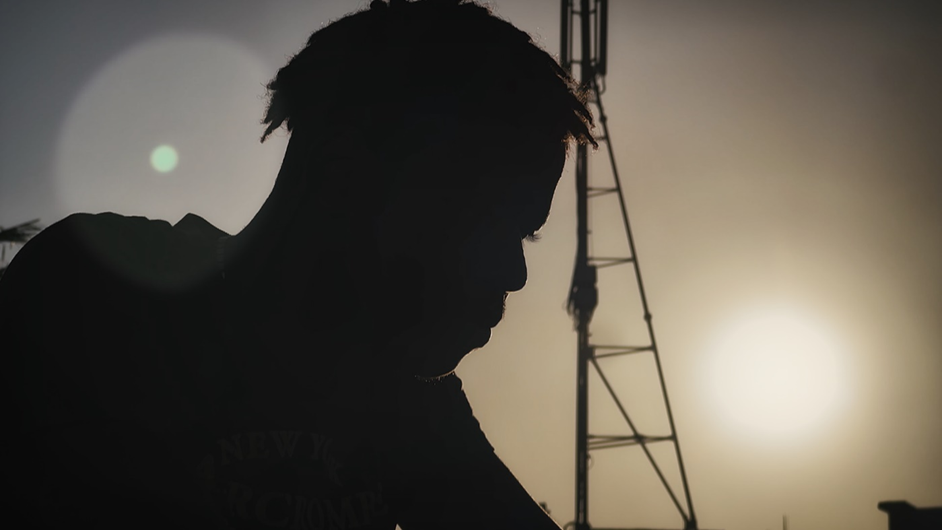
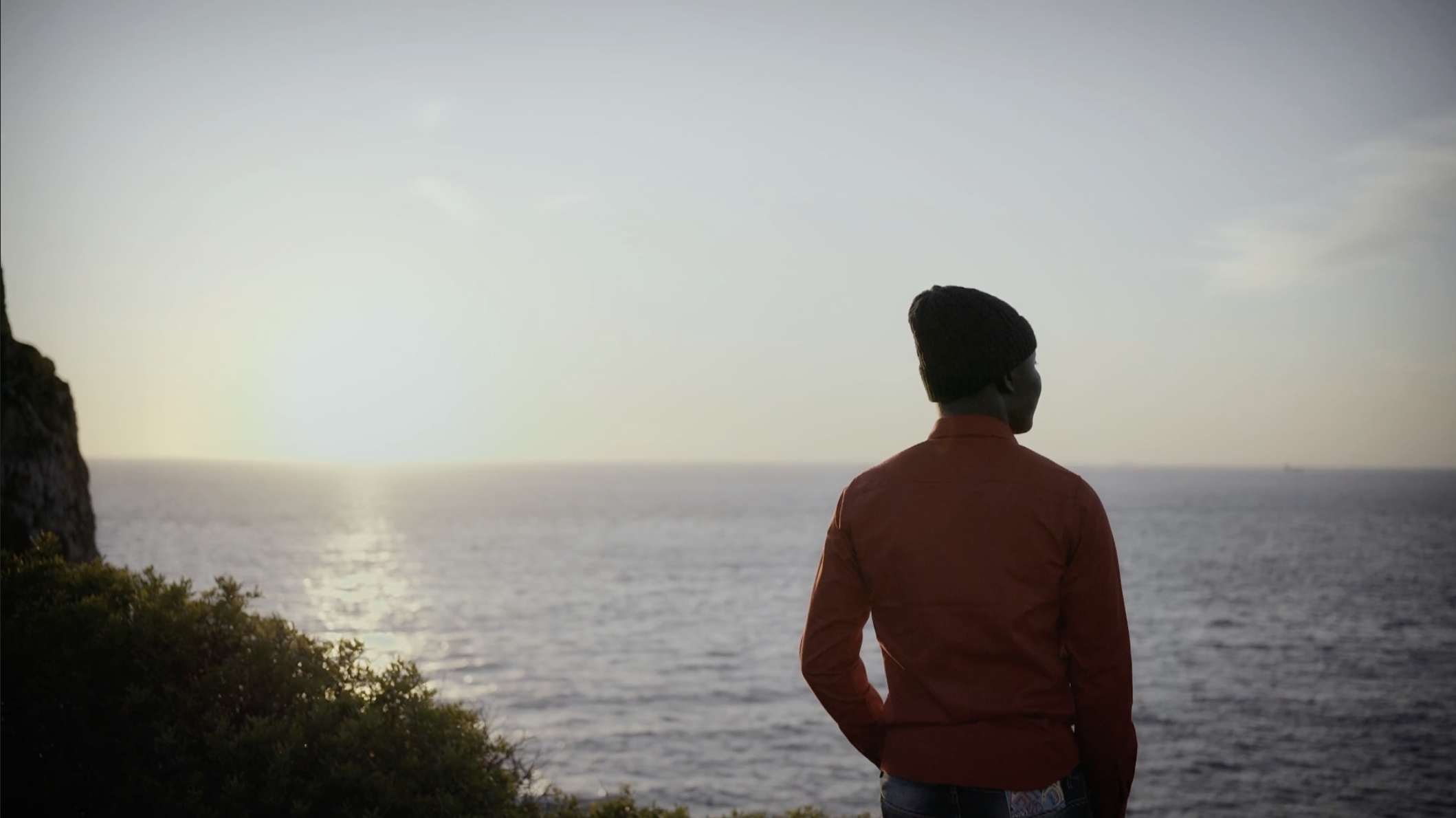
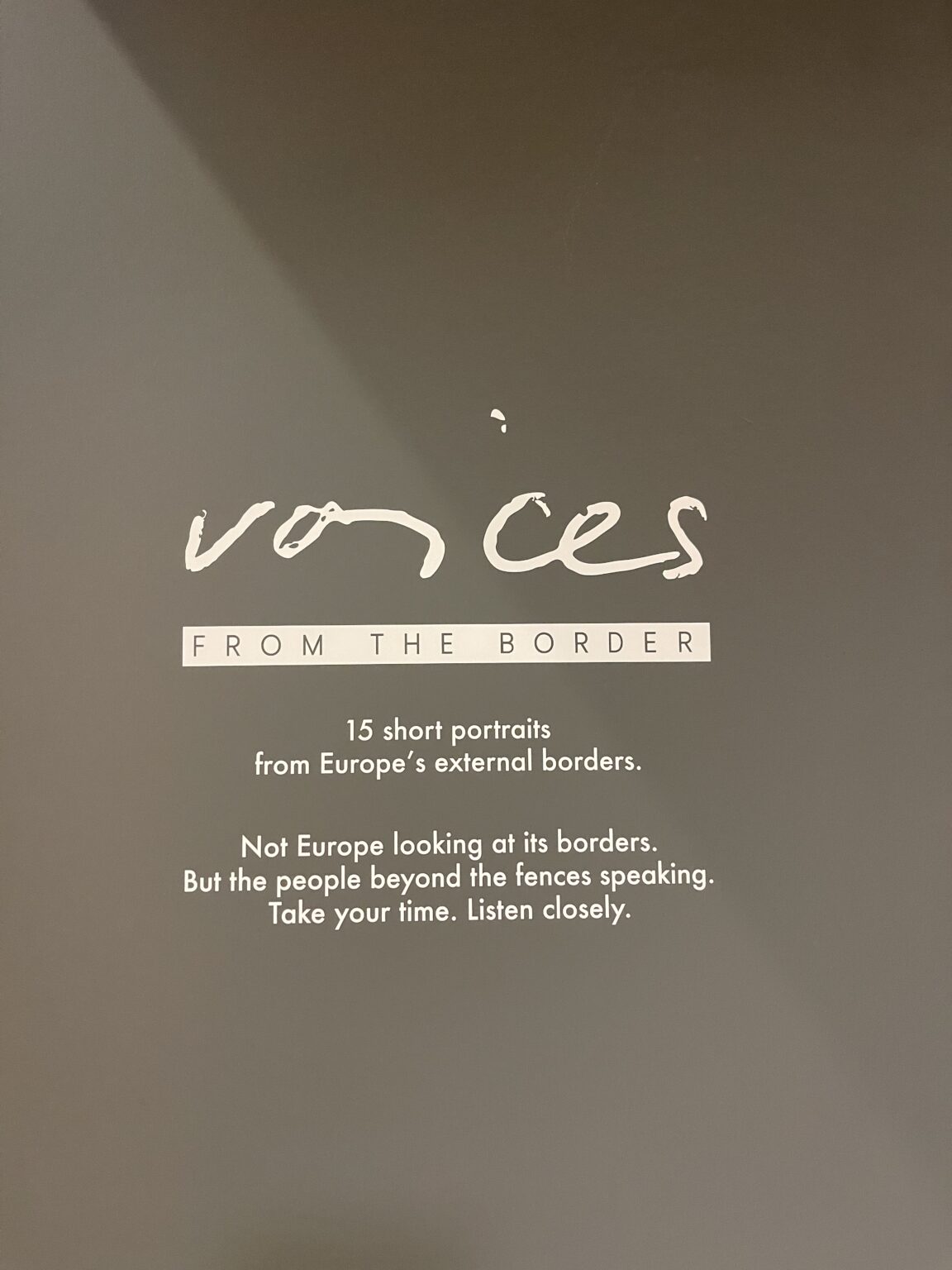
VOICES FROM THE BORDER consists of 15 short portraits, each two to five minutes long, featuring people stranded at Europe's external borders — as well as residents of these border regions.
The portraits come from Serbia, Mauritania, Tunisia, Morocco, Bosnia, and Turkey, and were filmed by filmmakers from those respective countries.
These are stories of hope and dreams, but also of painful experiences and the circumstances in people's home countries. Listening to these voices can spark reflection and discussion. At the very least, it unsettles certainties and preconceived opinions, inviting a shift in perspective:Not Europe looking at its borders. But the people beyond the fences speaking.
Take your time. Listen closely.
Exhibition Goethe Institute Athens, June - July 2026
ABOUT THE EXHIBITION
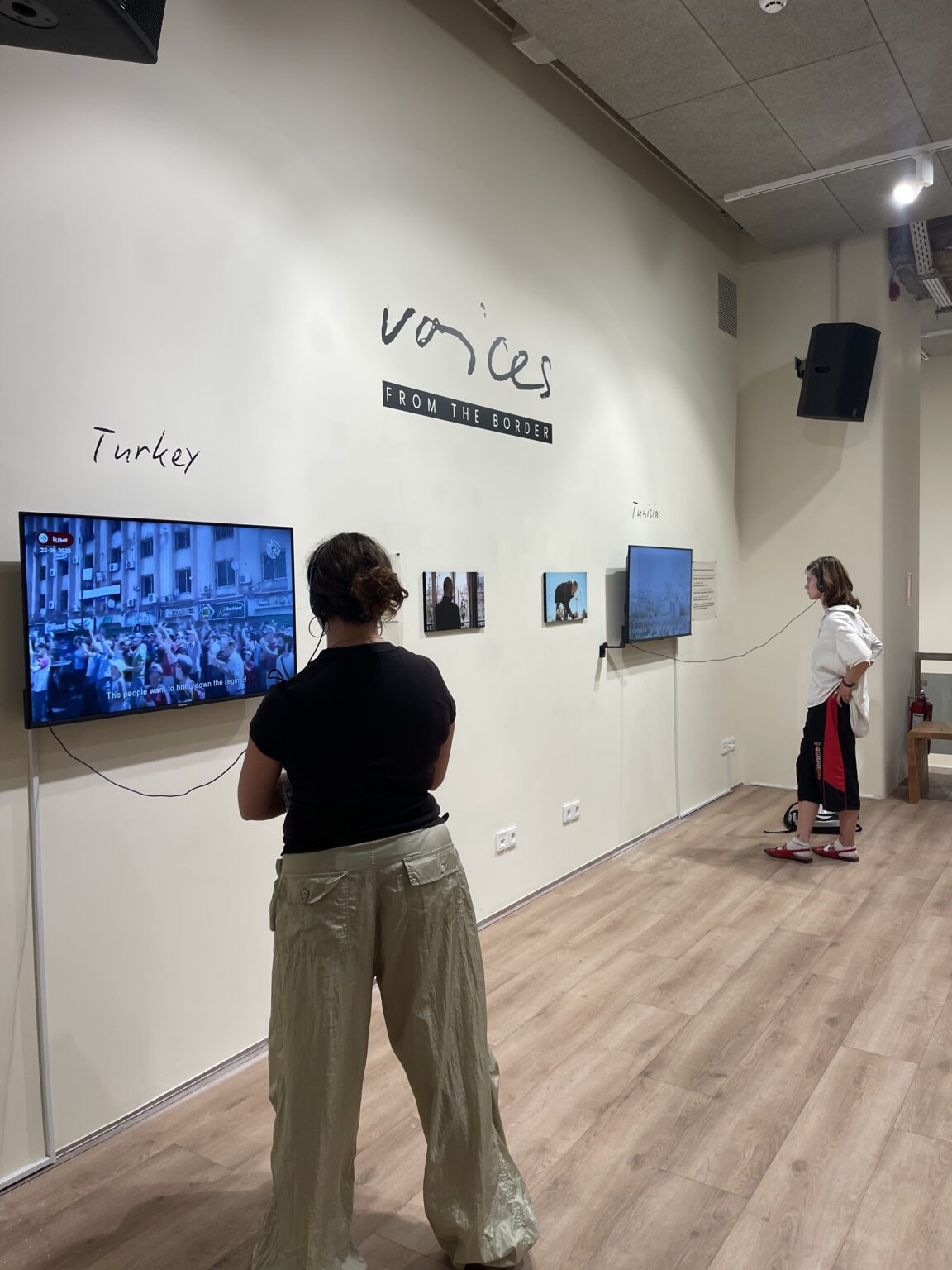
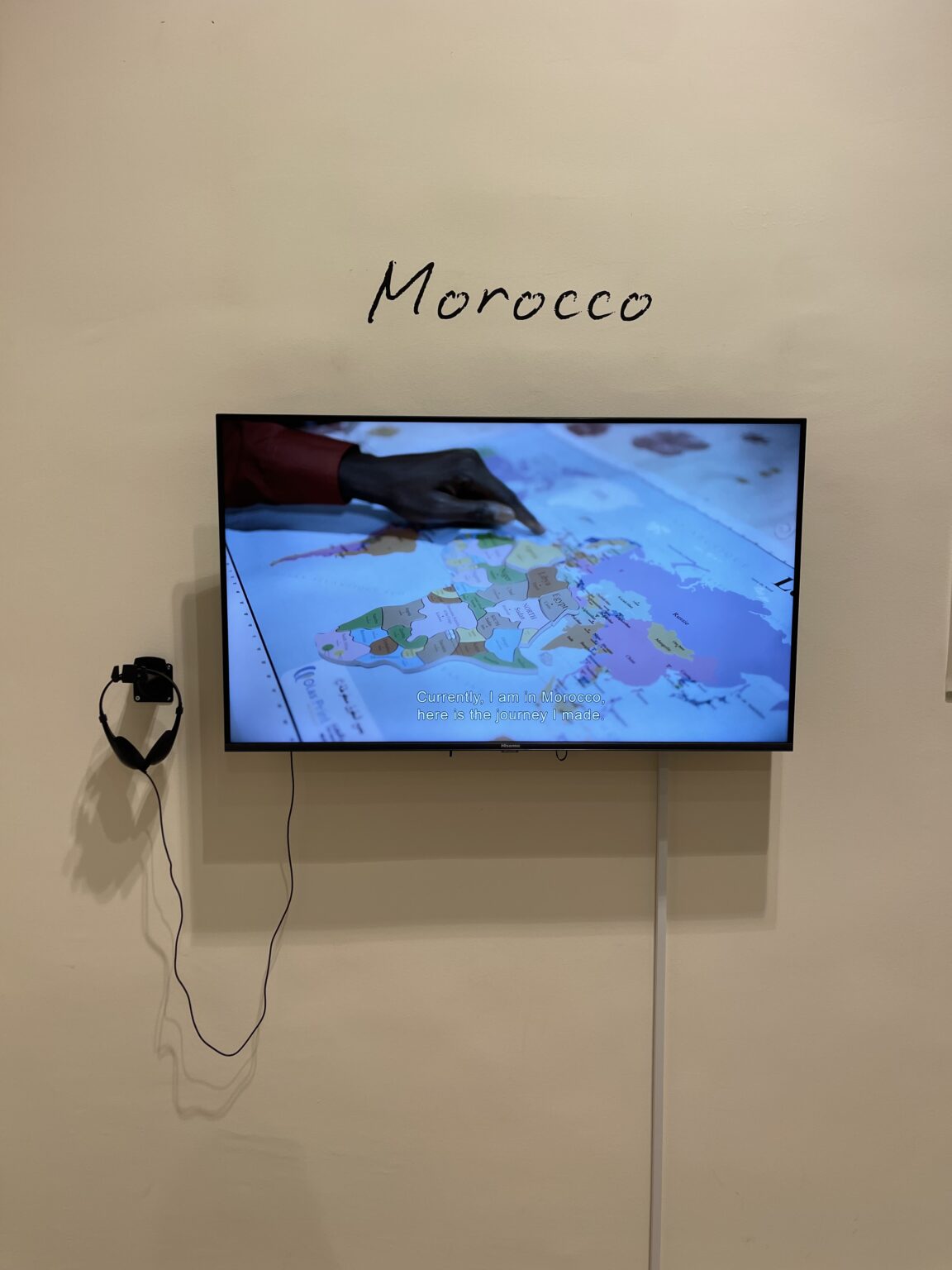
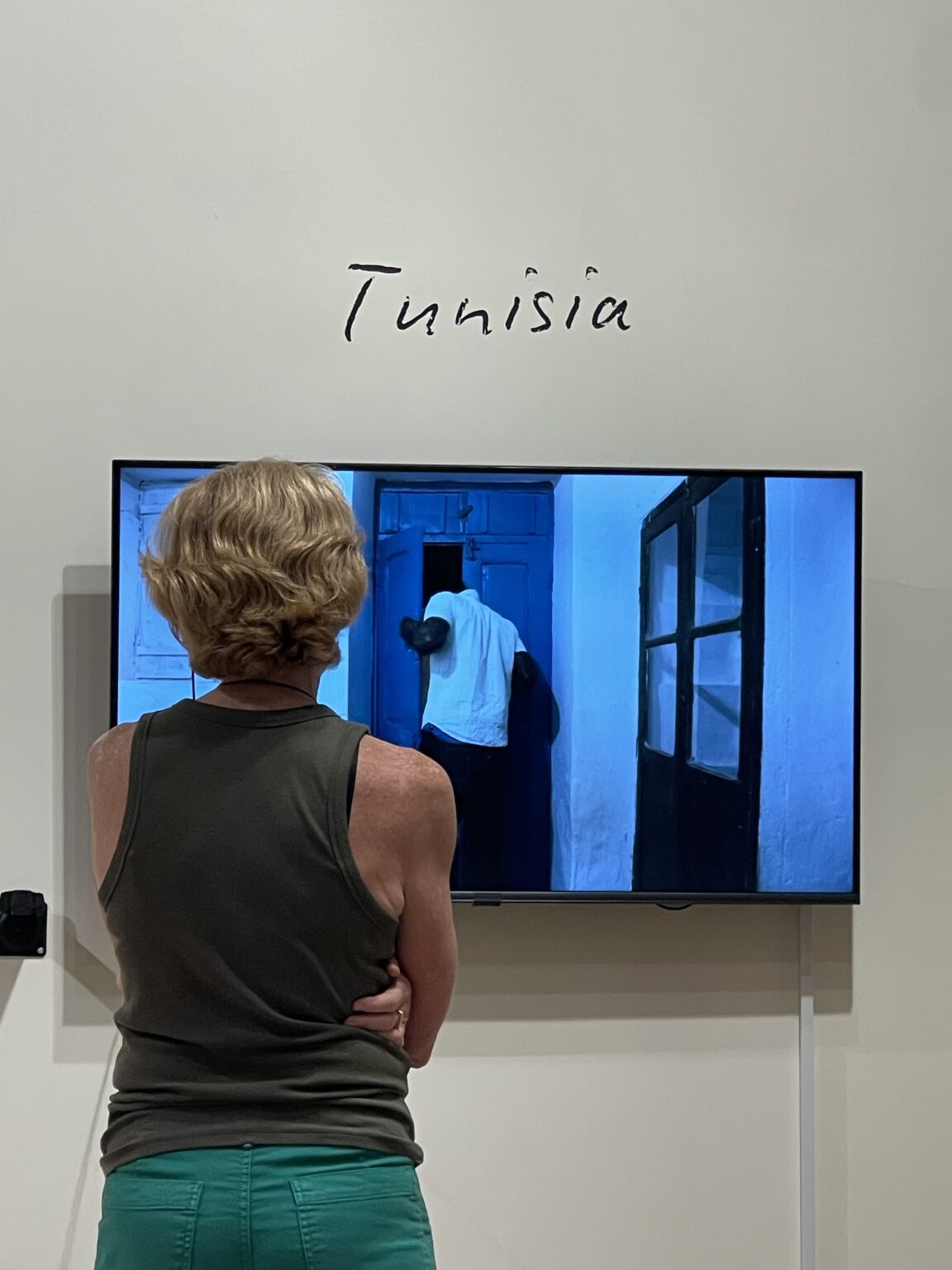
The portrait films can be presented as a flexible video installation, creating an exhibition experience that can be adapted to a wide range of venues and spatial settings.
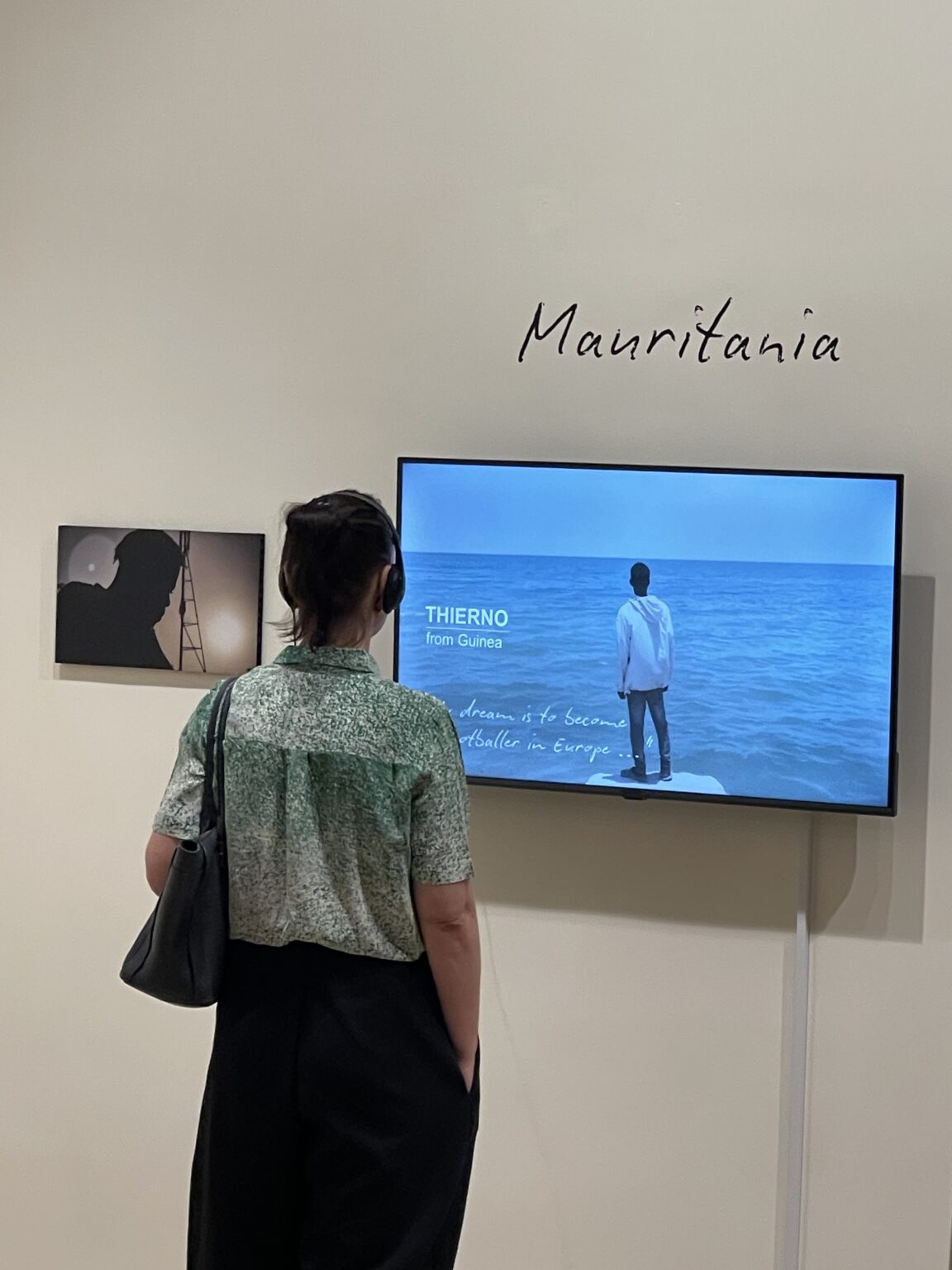
The videos can be shown on 15, 6, or even a single monitor, depending on the available space and resources. Each screen becomes a “window” into a personal encounter, inviting visitors to meet someone and listen to their story.
The installation can be adapted to the specific conditions of each venue. Monitors with headphones can be mounted at eye level on walls, for example arranged according to the geographical locations of the filming sites along Europe's external borders. The videos can either play in continuous loops or be individually selected by visitors. If desired, we also provide print-ready materials with brief contextual information and photographs to accompany the installation.
THE PORTRAITS
BOSNIA 🇧🇦
Idir from Algeria on pushbacks…
Idir recounts his experience attempting to cross from Bosnia into Croatia in search of safety and a better future.
Along with others, he was arrested and harassed by the police before he could cross the border. Despite his repeated efforts to reach the European Union, Idir has been stuck in Bosnia for years, facing constant rejection and mistreatment.
His story illustrates a broader pattern of violent pushbacks, where refugees and migrants are often treated with disrespect and brutality.
Elvir from Bosnia on tensions…
Elvir, a café owner from Velika Kladuša (Northern Bosnia), reflects on how the arrival of refugees was initially met with warm hospitality.
However, over time, the situation changed. As the number of pushbacks at the Bosnian-Croatian border increased and more refugees became stuck in the area, tensions began to rise between local residents and the migrant population.
This situation, according to Elvir, has resulted in growing hostility and hate speech.
Elika from Iran on childhood on the run…
Elika is a teenager from Iran. Her family left for Germany, hoping for a better life, but after many problems along the way, they got stuck in Bosnia. Today, Elika is not enrolled in school, and her daily life is filled with uncertainty and instability.
Like many young refugees along the Balkan route, she has faced violence and repeated pushbacks at border crossings.
Her story highlights the deep vulnerability of children on the move – trapped in systems that fail to protect their rights and offer no clear future.
Brahim from Algeria on finding the right place…
Brahim is an Algerian man currently living in Bosnia. The main refugee camp near where he stays has stopped accepting new arrivals because it is overcrowded. This left him and others without shelter or proper support.
He has tried to cross into the European Union multiple times, but each attempt ended in a violent pushback by border authorities.
Brahim shares his daily reality as a refugee, reflecting the struggles of many people stranded along the Balkan route, left without protection or a clear future.
MAURITANIA 🇲🇷
Mahmud from Mali on memories…
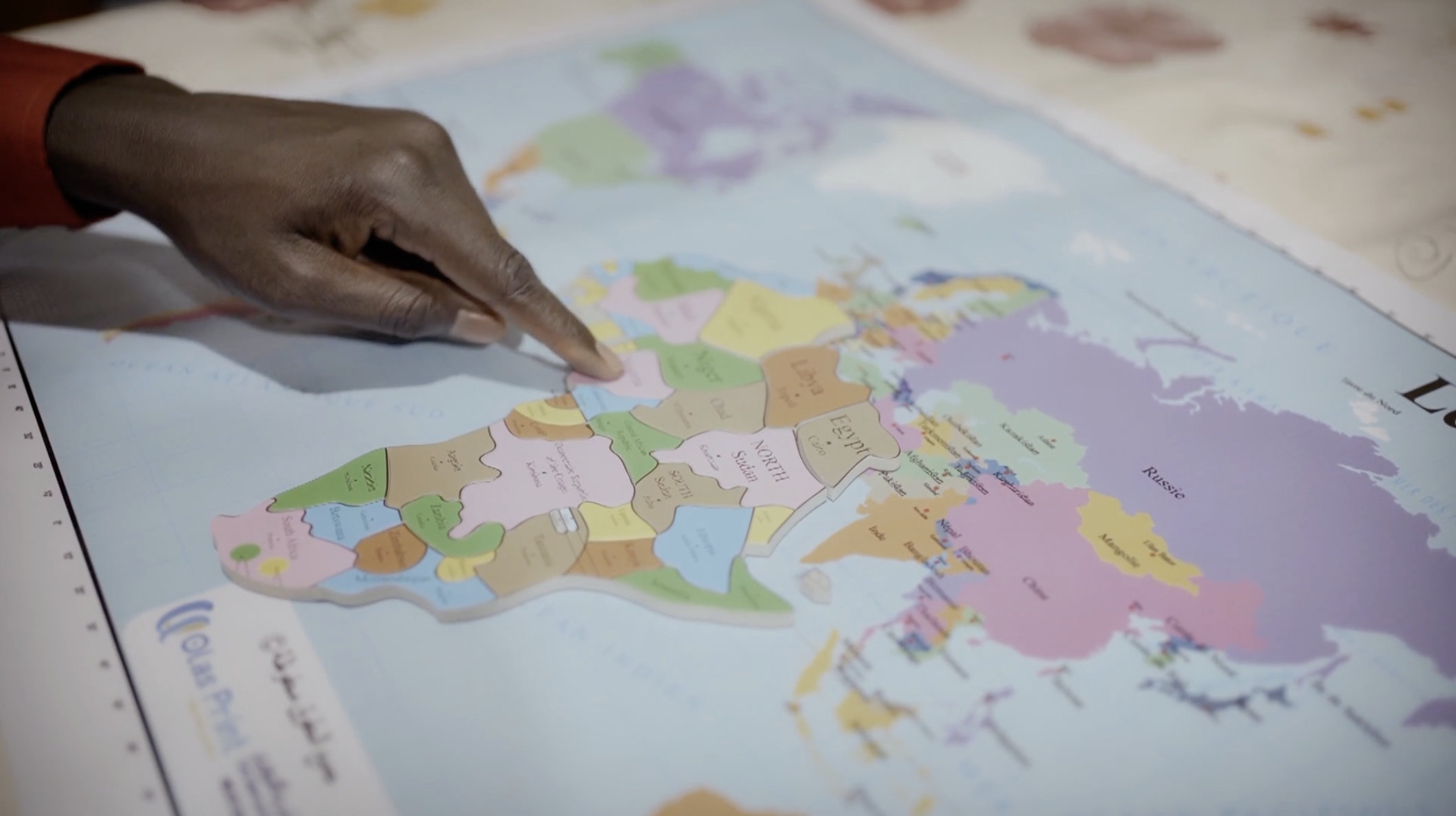
Mahmud is a young man from Mali, born in a village that now barely exists. Armed Donso soldiers attacked Mahmud’s village, killing, imprisoning, raping and destroying everything, forcing him to flee after losing his mother; a pain that still haunts him.
Though most survivors took refuge in the capital Bamako, Mahmud escaped to Mauritania. By 2022, over a million Malians had fled their country due to armed conflict, insecurity, climate shocks, and communal violence.
Now, Mahmud dreams of reaching Europe. He believes that crossing the sea is the only way to find peace and build a better life.
Thierno from Guinea on dreams…
Thierno is a teenager from Guinea with one dream: to become a footballer in Europe. This goal shapes his entire life and fuels his determination to escape his current reality in search of a better future.
Armed with little more than hope and perseverance, Thierno walked for miles through the Sahara desert, battling exhaustion and despair, to reach Nouakchott, the launching point for the perilous sea journey to the Canary Islands, seen by many as a gateway to Europe.
Despite the risks, Thierno presses on, driven by the dream that keeps him moving forward.
MOROCCO 🇲🇦
Michel on the fear of crossing the sea…
Michel is from the Central African Republic, a country that has been in turmoil since a violent takeover in 2013. Fleeing the war, he left his home and sought refuge in Morocco, after traveling through Cameroon, Nigeria, and Algeria.
Eviction is a frequent experience as he lives in abandoned places near Tangier, Morocco, moving between the forest and seaside in hopes of crossing to Europe. Though he planned the journey with friends, fear stopped him after seeing the deadly risks. Still, Mahmud is dreaming of Europe but he is too afraid to make the crossing.
SERBIA 🇷🇸
A* and M* from Syria on love…
A* and M* are a married couple from Syria who deeply love each other and their two children, a 16-year-old daughter and an 18-year-old son currently in Austria.
Their journey has taken them from Syria and Turkey to northern Serbia, where Sombor and Sobotica serve as key transit points for refugees like them. Due to A*’s leg injury, the couple paused their travel for a week, but now they are determined to continue their journey.
Their goal is to reach Hungary and ultimately reunite with their children in Austria. Despite the challenges, their motivation and strength drive them forward on this difficult path.
Jihad from Syria on border fences…
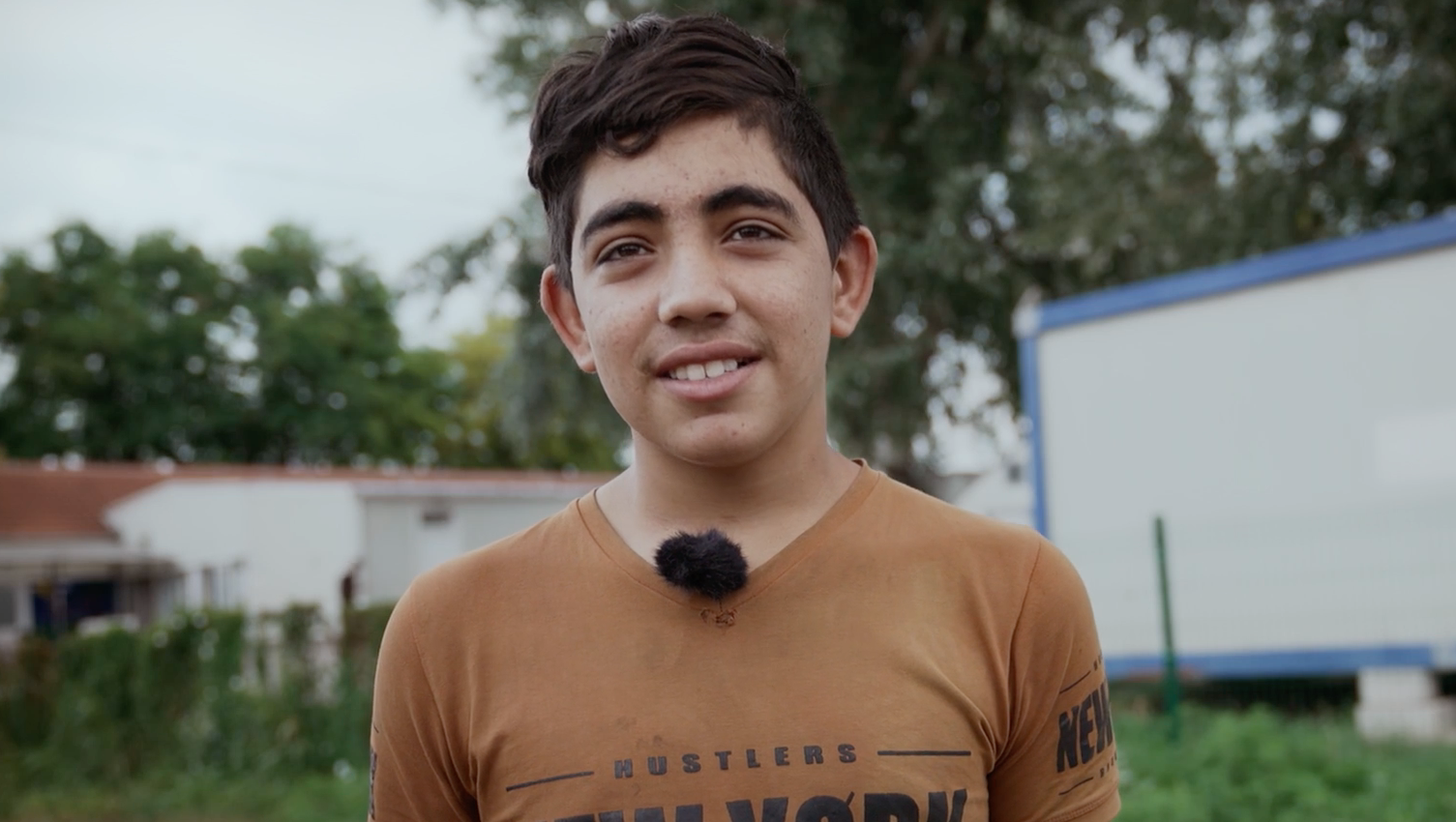
Jihad is a teenager from Syria. He tried to enter the EU via the Hungarian border crossing on the border with Serbia. A 175 km long barbed wire fence separated him from his destination. During this attempt, he was arrested and brutally beaten by police officers. He just wants to move on and forget what he has experienced.
Jihad still wishes to get over the fence and apply for asylum in a safe country. He is still motivated to pursue his goal.
His case is a clear example of the brutality of the EU border polices, regardless of age, and also of the resilience of refugees.
M* from Syria on longing for peace and quiet…
M* is among the most vulnerable ones on the escape routes. He is an unaccompanied refugee from Syria, crossing through Serbia to find a peaceful and quiet life in Europe.
Six months ago, he had a roof over his head in Turkey but in Serbia, police often relocated them to remote areas, forcing them to start all over. M* must continue finding money to attempt the crossing again, as many others remain stuck for months or years without money in Serbia.
He dreams of shelter, food and a place to rest and to begin a new life in Europe.
TUNISIA 🇹🇳
Siguiriki from Guinea on the sea between him and his wife…
Siguiriki comes from Guinea and is struggling to survive in Tunisia. On his journey to cross the borders and reach Europe, he crossed Mali and arrived in Algeria. Unfortunately, he was held captive in the desert of Timiaouine (South Algeria) until his mother, with great difficulty, was able to pay a ransom for his freedom. Siguiriki, a survivor of human trafficking, was treated badly during transportation and captivity and had to live in poor conditions.
He is now in Tunisia, where he can only survive through small, undeclared jobs. He is still determined to join his wife and children who are currently in France.
Chamseddine B., Fisherman in Tunisia…
Chamseddine B. is a fisherman from Zarzis in Tunisia who is committed to rescue migrants. Through the voluntary work of fishermen, they led rescue operations of migrants who were drowning on the Tunisian coast on their way to Italy. They have seen thousands of bodies over the years.
In 2018, Chamseddine B. and five others were charged in Italy after they had towed boats that were unable to maneuver to the nearest port in Italy.
He calls for action by authorities and international organizations to protect the lives of people in North and Central Africa and find long-term solutions for them.
Chamseddine M. on the cemetery of the unknown…
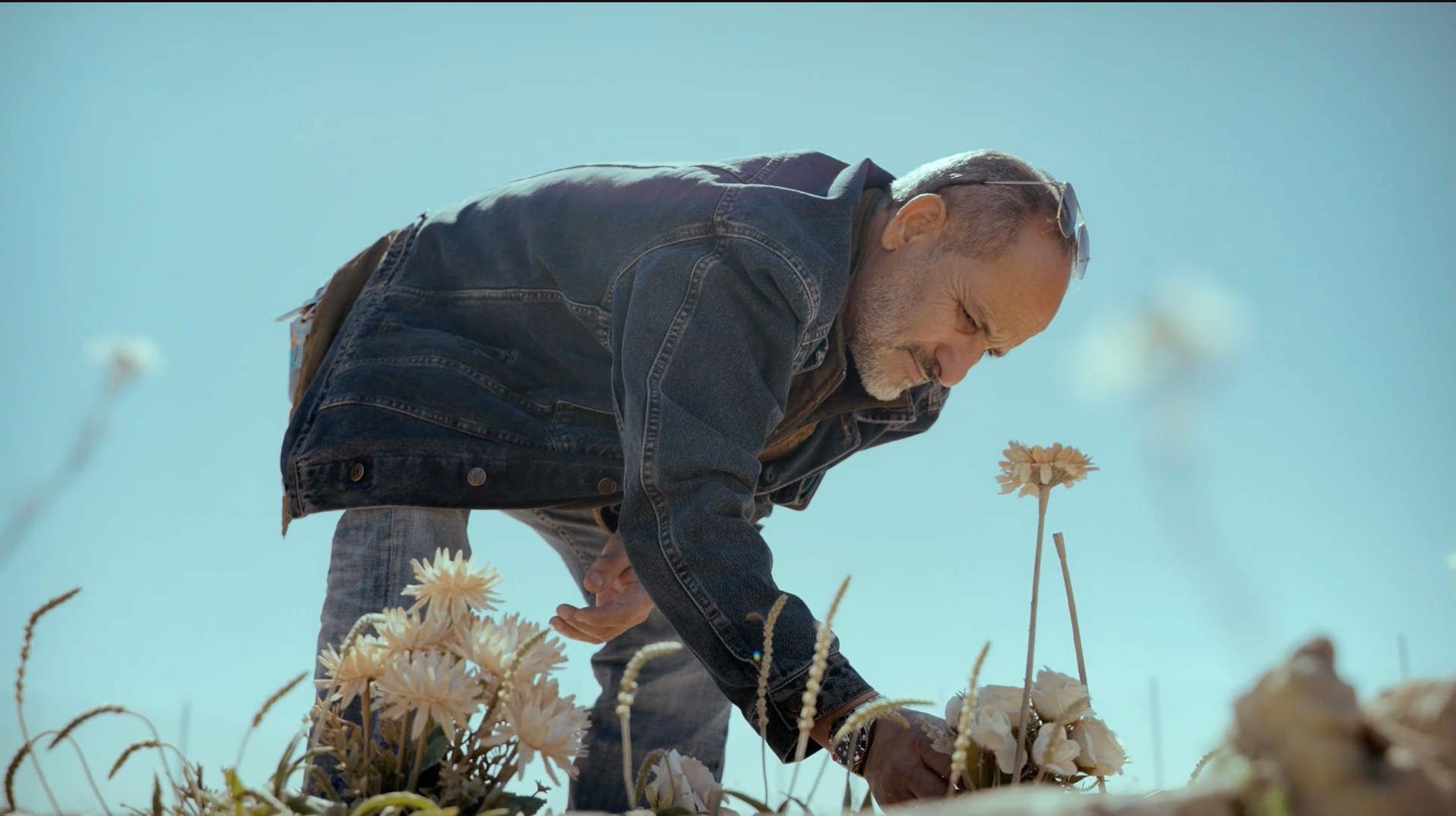
Chamseddine M., a fisherman from Tunisia, is an example of the pursuit of justice and humanity for migrants.
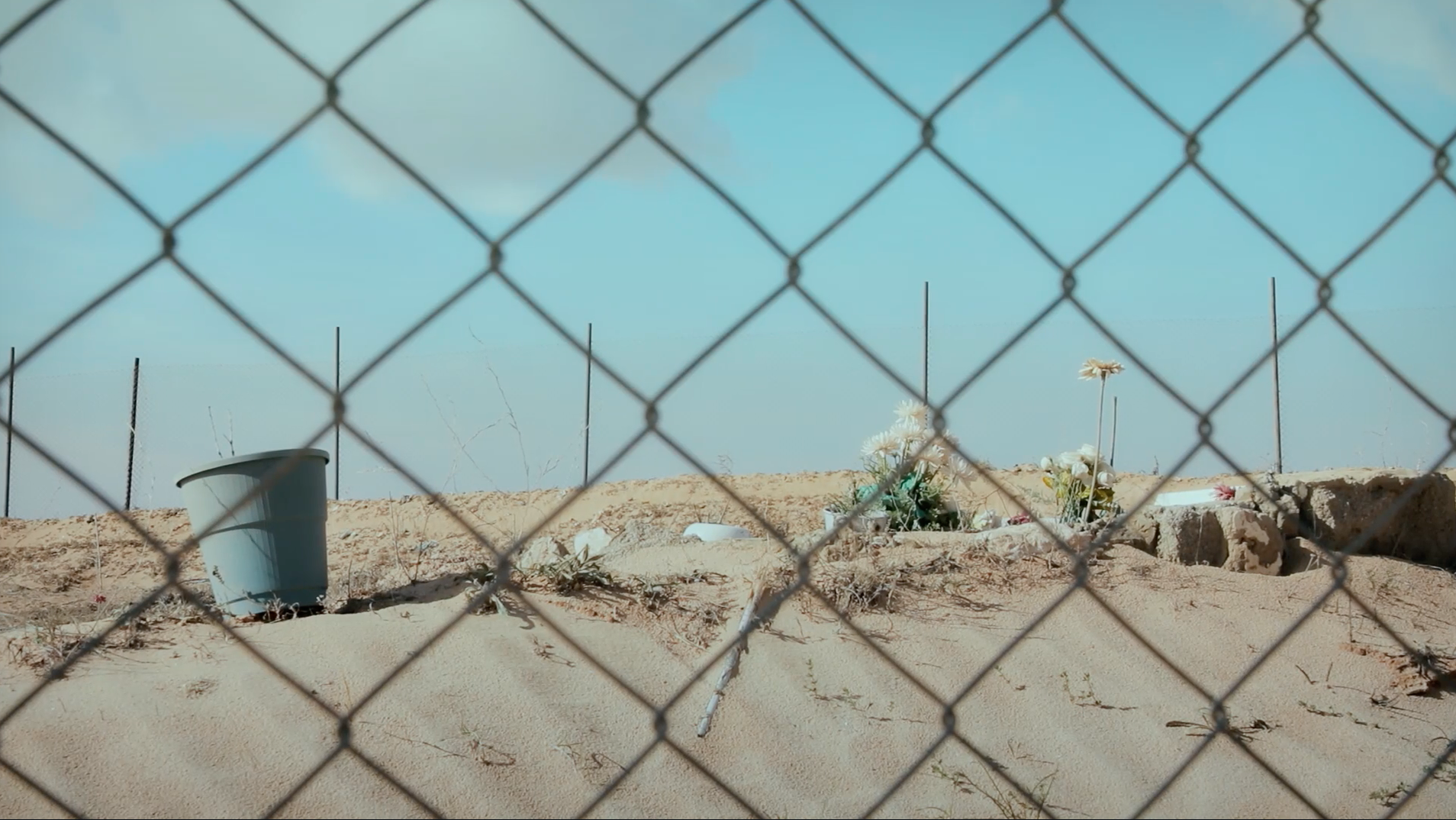
Since 2011, he and a couple of friends have been actively working on “The Cemetery of the Unknown” to show last respect to the deceased migrants along the Tunisian border who have long been buried under inhumane conditions.
They want to gather relevant details of the deceased to classify them in archives in case relatives come and try to find them. They have already buried 600 bodies.
Chamseddine M. demands accountability for the crimes committed at sea and justice for those who tried to reach their dreams.
Mohsen on his Museum of Memory…
Mohsen from Tunisia who started picking up garbage at sea to keep it clean, is an example of empathy and solidarity with migrants.
When he started finding clothes, shoes and other belongings of migrants on the coast in 2011, he began to collect them and gather them in the “Museum of Memory”, where he wants to tell the migrants’ story about their journey through the Libyan desert and its dangers.
The “Museum of Memory” honors the lives of the deceased migrants on their journey to a better life and calls for empathy and awareness.
TURKEY 🇹🇷
Mohammad from Syria on waiting…
Mohammad Orawani is a 37-year-old Syrian who fled his country in 2014 to avoid being conscripted into the army. Though the journey to Istanbul was long and risky, he made it in the hope of finding safety.
His wife, a journalist, has been covering the wave of migrants trying to cross river Evros in April 2023. They were all violently pushed back.
Today, Mohammad is afraid not only to leave Turkey, but even to step outside his apartment. In recent years, refugees in Turkey have faced increasing racism, hostility, physical attacks, and frequent police raids.
ABOUT US
VOICES FROM THE BORDER is a collaborative project by borderline-europe and Berlin Producers.
With this project, we aim to provide insights into areas along Europe’s external borders that are often difficult for journalists to access, while giving a voice to stranded refugees and local residents. An individual voice.
The idea was to shift the perspective: instead of looking from Europe at the situation behind border security installations, we look from there toward Europe.
To achieve this perspective shift, it was important for us to work with filmmakers from border countries or with refugees who might bring a different view to the situation. Between 2021 and 2023, this approach resulted in fifteen video portraits. Many of these videos convey a particularly sensitive approach toward stranded refugees. For example, when Omar Alsawadi, a filmmaker who fled Syria to Germany in 2015, speaks with a refugee about Quranic verses on a wall, it is a conversation on equal footing, between people who share similar experiences. Only someone with lived experience of displacement might find the right tone for conversations about love or favorite foods.
Many of the filmmakers edited their own footage. In Berlin, the video clips were refined with graphics, a unified look, color correction, sound design, mixing, and subtitles. Staff from Berlin Producers and borderline-europe researched facts for additional context.
These short portraits are now intended to create encounters — beyond the heated political and societal debates surrounding migration.
Elke Sasse, Berlin Producers, and Andrea Stäritz, borderline-europe - Human Rights without Borders, Project Leaders VOICES FROM THE BORDER
Are you interested in organizing an exhibition?